
An Email Checker is a crucial tool for ensuring the accuracy and validity of email addresses. This article will explore its importance, how it works, and the best practices for utilizing this technology to improve your email marketing and communication efforts.
Understanding the Importance of Email Checkers
Email checkers are crucial for businesses, as they prevent invalid email addresses from affecting communication. Invalid emails lead to high bounce rates, draining resources, and ultimately causing potential revenue loss for marketing efforts.
When emails bounce back, it not only disrupts communication but also lowers sender reputation. A tarnished reputation can hurt future campaigns, resulting in low open rates and disengagement from prospects, thereby diminishing overall marketing efficacy.
Validating emails ensures a cleaner subscriber list, boosting customer engagement through tailored messaging. An accurate list means businesses can effectively reach their target audience, enhancing the impact of promotional strategies and increasing conversion opportunities significantly.
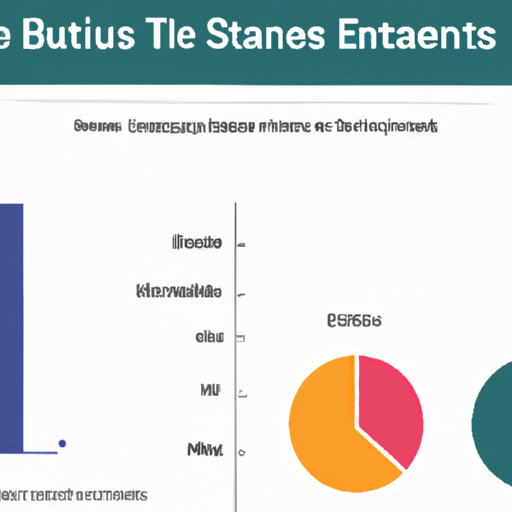
How Email Checkers Work: The Technology Behind Validation
Email checkers utilize advanced algorithms to validate addresses through multiple methods. **Syntax checking** ensures proper formatting, while **domain validation** verifies active domains.
Additionally, **SMTP verification** checks server responses to confirm account existence. These techniques effectively filter out invalid emails, enhancing deliverability and engagement.
Employing these methods safeguards businesses against high bounce rates and associated revenue losses, ultimately improving overall campaign performance and customer connections.
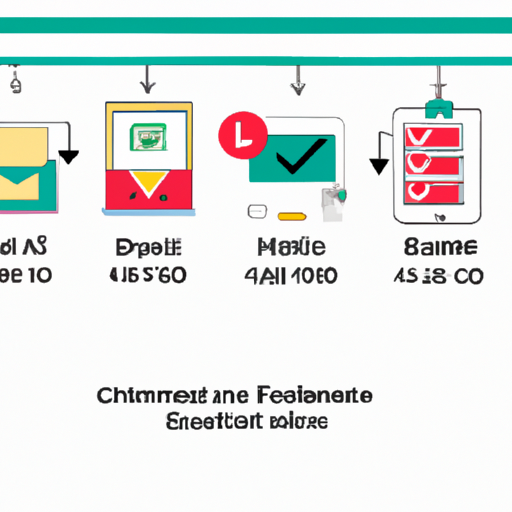
Best Practices for Using an Email Checker Effectively
To maximize the benefits of an email checker, integrate it at multiple stages of your email marketing strategy. First, verify emails upon collection to filter out invalid addresses immediately.
Second, evaluate your existing database regularly, ideally quarterly, to maintain a healthy mailing list. Balancing routine checks with active engagement ensures you target active users, enhancing deliverability rates.
Interpreting results accurately is crucial; consider both hard bounces and soft bounces differently. Hard bounces indicate permanent issues, while soft bounces may require a second trial to validate.
Regular maintenance helps to keep your email list fresh, which is vital for maintaining sender reputation and deliverability.
Combine email checkers with CRM tools to synchronize data and enhance segmentation. Integrating analytics platforms will provide insights into user behavior, allowing for tailored content to increase engagement and conversion rates.

Conclusions
In conclusion, using an Email Checker not only enhances your email marketing efficiency but also helps maintain your brand’s reputation. By validating email addresses, you can minimize bounce rates and ensure effective communication with your audience.